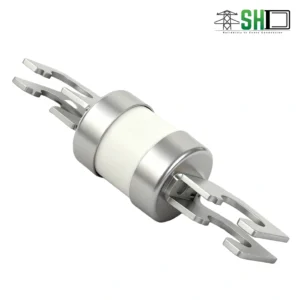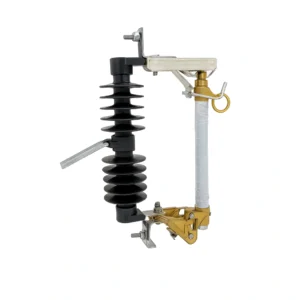
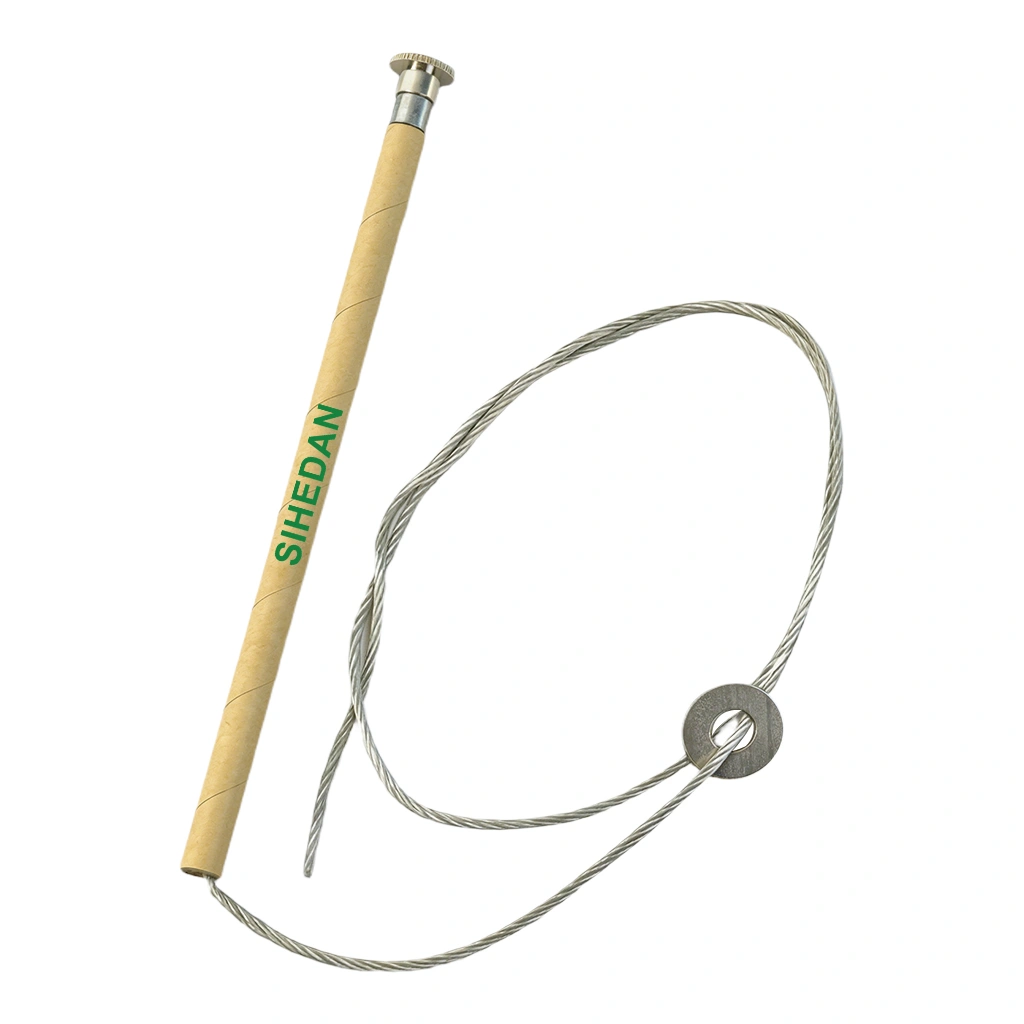
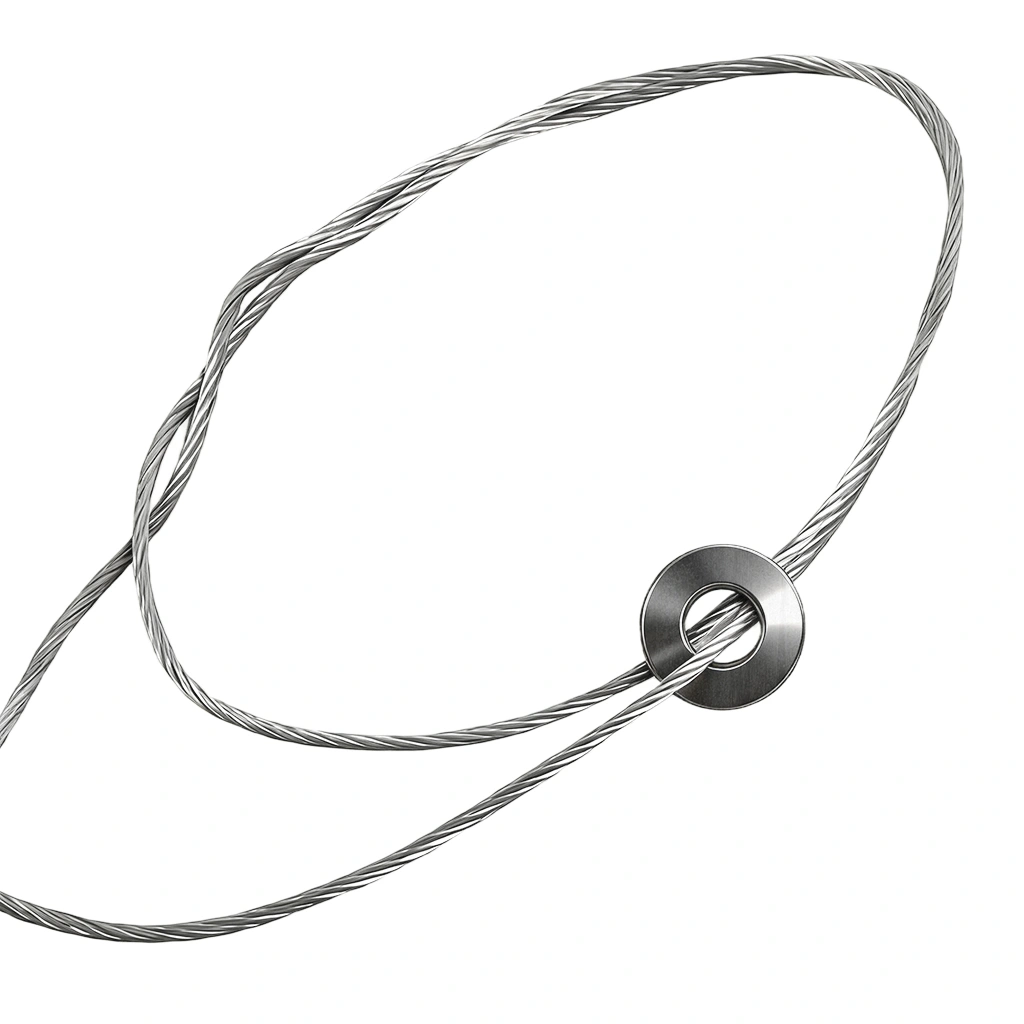
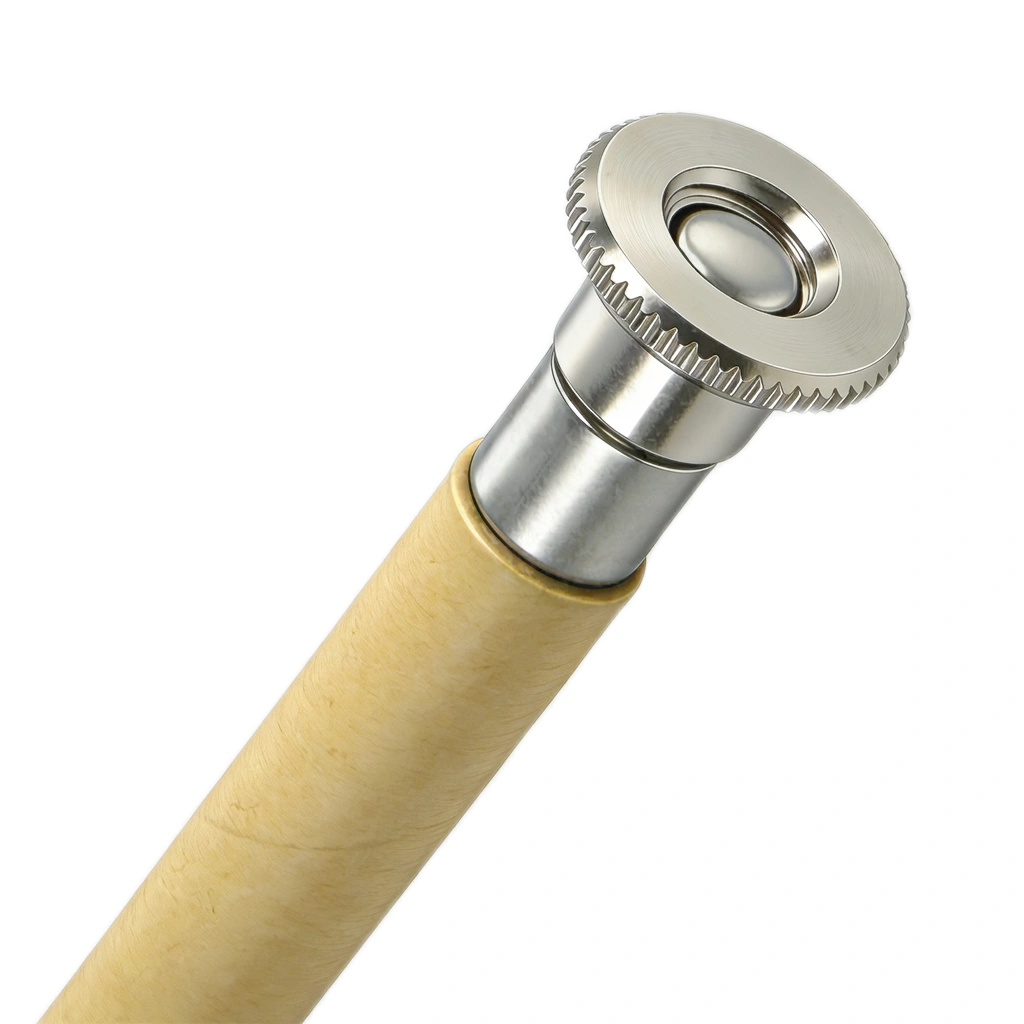
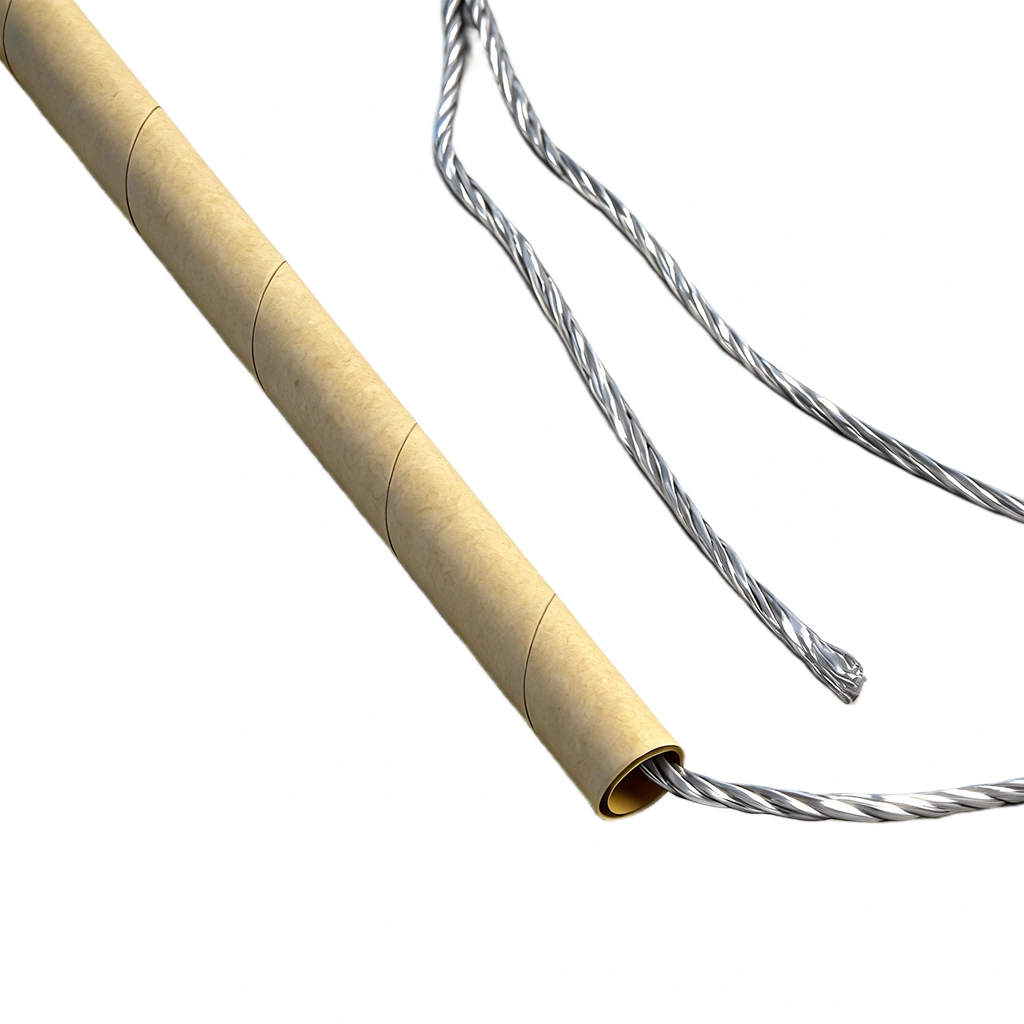
Fuse link type K, also known as 33KV Fuse Links K Type, are engineered for reliable overcurrent protection in medium-voltage electrical distribution systems. Designed to comply with EEI-NEMA Type K and Type T standards, this k type fuse link delivers precise and repeatable performance when used with outdoor fuse cutouts in demanding operating conditions.
Rated from 1 Amp to 200 Amps, these 33KV Fuse Links K Type ensure accurate operation even after repeated exposure to excessive currents that do not reach the melting threshold, maintaining long-term system integrity and safety for medium-voltage networks utilizing fuse link type K solutions.
Compliant with EEI-NEMA Type K and Type T standards
Rated voltage up to 33kV for 33KV Fuse Links K Type applications
Wide current range: 1A – 200A
Designed for outdoor expulsion fuse cutouts using k type fuse link technology
High accuracy even after repeated overcurrent exposure
Stable and predictable melting characteristics
Suitable for medium-voltage distribution networks
Reliable operation under harsh environmental conditions with fuse link type k
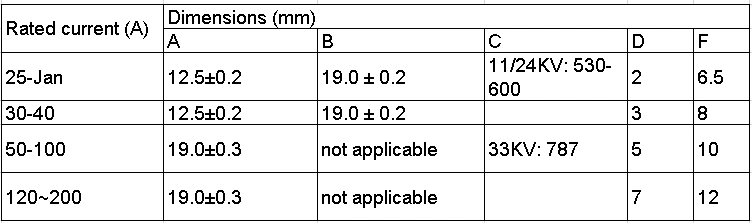

Medium-voltage power distribution lines using 33KV Fuse Links K Type
Utility substations
Overhead distribution networks with k type fuse link protection
Transformer primary protection
Industrial electrical systems
Rural and urban power grids
Renewable energy distribution infrastructure utilizing fuse link type K
FAQs about fuse link type k
What is the difference between Type K and Type T fuse links?
fuse link type k are designed for fast and predictable melting characteristics, while Type T offers time-delay performance. This product meets both EEI-NEMA Type K and Type T requirements, ensuring flexible coordination with various protection schemes.
What voltage levels are these fuse links suitable for?
They are suitable for 10kV to 36kV expulsion fuse cutouts, with a maximum rated voltage of 33kV.
Can these fuse links withstand repeated overcurrent conditions?
Yes. They are specifically designed to maintain accuracy even after repeated exposure to excessive current levels that do not reach the melting point.